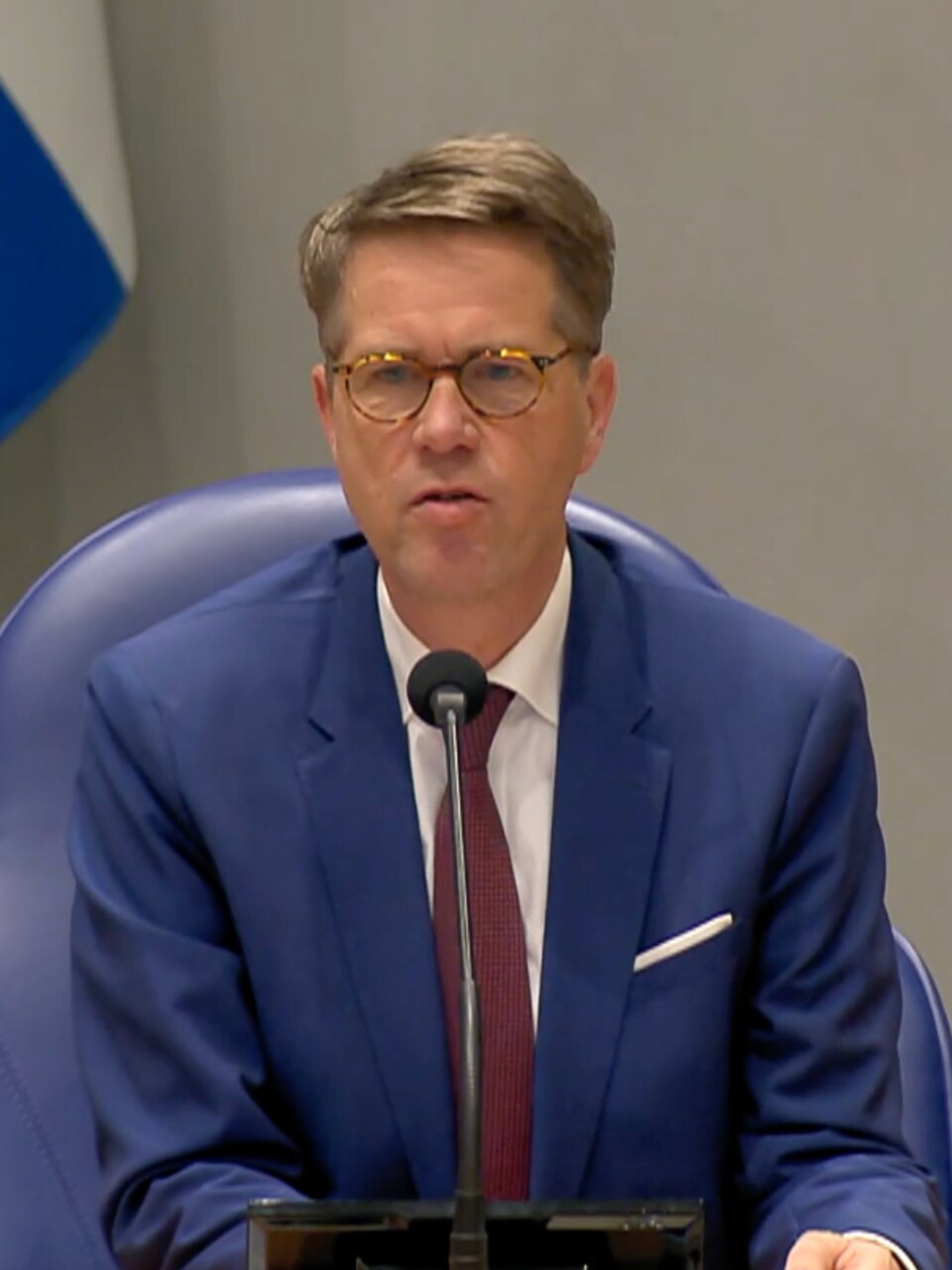
The Elusive Search for "Martin Bosma Gezin": Unpacking Online Presence
In an age where information is seemingly boundless, it's natural for public interest to extend beyond a politician's official duties to their personal life. Martin Bosma, a prominent figure within the Dutch Party for Freedom (PVV), is no exception. Many individuals, curious about the man behind the political rhetoric, often turn to online searches with queries such as "Martin Bosma Gezin," which translates to "Martin Bosma family." This article delves into the digital landscape surrounding Martin Bosma, exploring what his online presence reveals about his personal life and, perhaps more significantly, what it deliberately keeps private.
Our initial exploration into common online sources, mirroring the search patterns of many users, quickly reveals a consistent theme: a notable absence of information regarding Martin Bosma's family. For instance, websites that might typically host biographical details often focus on his political career, his statements, or even technical aspects like website security. Similarly, social media platforms, while offering a glimpse into public figures' lives, tend to be curated for professional interaction and political discourse, rarely venturing into the deeply personal realm of family life. This pattern suggests not a lack of online activity on Bosma's part, but rather a focused and deliberate presentation of his public persona, distinct from his private world.
Navigating the Digital Footprint of a Public Figure: What's Available?
When we attempt to piece together a comprehensive picture of Martin Bosma through his online footprint, what primarily emerges is his role as a politician and public speaker. His digital presence is largely dominated by his political affiliations, policy statements, and commentary on current affairs. This is a common characteristic among public figures, especially those in politics, who often leverage online platforms to communicate their ideology, engage with constituents, and participate in public debate.
For example, a review of his social media activity, such as his presence on X (formerly Twitter), typically showcases posts related to parliamentary proceedings, party announcements, reactions to news, and interactions with other political figures or the public regarding policy matters. These platforms are designed for rapid dissemination of public messages, not for sharing intimate family moments. Even when looking at broader news coverage or opinion pieces that discuss Bosma, the focus remains squarely on his political actions, speeches, and ideological stances. Articles might analyze his views on freedom, immigration, or European policy, but they seldom, if ever, broach the topic of his family.
This distinct separation between public persona and private life is a deliberate choice for many. Politicians are often advised, or choose themselves, to keep their families out of the spotlight to protect their privacy, ensure their safety, and prevent their loved ones from becoming targets of public scrutiny or criticism, which can be particularly harsh in the political arena. Understanding this distinction is crucial for anyone trying to gain insight into the personal dimensions of a public figure. For a deeper dive into his political discourse, you might find value in exploring analyses that focus on
Martin Bosma: Public Political Stances, Not Private Family Life.
The Strategic Curating of an Online Persona
It's important to recognize that a public figure's online presence is often strategically managed. Every post, every public statement, and even the design of official websites are carefully considered to project a specific image or convey a particular message. This curation extends to what is *excluded* as much as what is included. For Martin Bosma, as for many others, the decision to maintain a clear boundary between his political life and his "Gezin" life online appears to be a conscious one. This ensures that the narrative around him is primarily driven by his professional contributions and political identity, allowing him to focus on his work without constant intrusion into his personal affairs.
Privacy in the Public Eye: The Case of Martin Bosma's Family
The search for "Martin Bosma Gezin" brings to the forefront a fundamental tension in modern society: the public's curiosity about its leaders versus the individual's right to privacy, even for those in the public eye. While politicians are scrutinized for their policies, decisions, and public conduct, there remains a widely accepted, albeit sometimes debated, boundary around their private lives.
The Right to Privacy for Public Figures
Even individuals who voluntarily step into the public sphere retain a right to privacy. This right is often protected by law in many countries, and ethically, media organizations generally adhere to principles that differentiate between matters of legitimate public interest (related to a politician's duties, ethics, or suitability for office) and mere public curiosity (about their personal relationships, health, or family life). When it comes to family members, especially spouses and children, this right to privacy is even more strongly emphasized. They have not chosen a public life and are often afforded greater protection from media intrusion and public scrutiny.
In the context of Martin Bosma, the lack of readily available information about his family online is not necessarily an oversight but rather an indication that this aspect of his life is considered private. This can be for a multitude of reasons:
* **Protection of loved ones:** Shielding family members, particularly children, from the often harsh and unforgiving nature of political commentary and public debate.
* **Personal choice:** A simple preference to keep family matters separate from professional responsibilities, maintaining a semblance of normalcy and personal space.
* **Security concerns:** In the volatile world of politics, disclosing family details can sometimes pose security risks.
The media's role in this scenario is critical. Reputable news outlets typically respect these boundaries unless there is a clear, overriding public interest that directly relates to a politician's public duties or integrity (e.g., a family member's direct involvement in a scandal that impacts public funds or policy). Without such a context, the details of "Martin Bosma Gezin" remain outside the scope of public discourse.
Practical Tips for Respecting Boundaries Online
For those conducting online research, understanding and respecting these boundaries is an important aspect of digital citizenship.
*
Differentiate between public interest and private curiosity: Ask yourself why you are seeking this information. Is it relevant to their public duties, or purely for personal interest?
*
Respect official channels: If a public figure chooses not to disclose personal information through official channels, it's a strong indicator that they wish it to remain private.
*
Be wary of unofficial sources: Information found on forums, gossip sites, or unverified social media accounts should be treated with extreme caution and skepticism, as it often lacks accuracy or violates privacy.
*
Consider the impact: Remember that behind every public figure is a human being with a private life. Unwarranted intrusion can have real-world consequences for them and their families.
Effective and Ethical Online Research: Beyond "Martin Bosma Gezin"
The journey to find details about "Martin Bosma Gezin" highlights broader lessons in effective and ethical online research. While the internet is an unparalleled repository of information, it also requires discernment, critical thinking, and an understanding of privacy.
Strategies for Responsible Information Gathering
When you embark on any online search, especially for details about public figures, consider these strategies:
1.
Define Your Objective Clearly: Before typing into a search engine, clarify what you genuinely seek. Are you looking for Martin Bosma's voting record, his stance on a particular policy, or simply personal anecdotes? Understanding your goal helps to direct your search and evaluate the relevance of your findings. If your objective is personal details, be prepared for a likely dead end, or to encounter content that respects privacy.
2.
Prioritize Credible Sources: Stick to official websites (parliamentary sites, party sites), reputable news organizations, academic analyses, and verified social media accounts. Be wary of blogs, forums, or obscure sites that lack editorial oversight.
3.
Understand Privacy Settings and Data Protection: Many individuals, including public figures, actively manage their online presence. This means some information is simply not made public by choice or by design (e.g., secure websites, private social media settings). Respecting these digital boundaries is key.
4.
Distinguish Between Public Record and Private Life: Information related to a politician's public duties – voting history, declared assets (where legally required), official statements – is generally public record. Personal details like family composition, children's names, or private residences are typically not, unless willingly shared by the individual or deemed essential for a legitimate public interest case.
5.
Acknowledge the Absence of Information: Sometimes, the most important finding of a search is what *isn't* found. In the case of "Martin Bosma Gezin," the consistent lack of readily available family information across reliable sources strongly suggests a deliberate choice to maintain privacy. This is a legitimate outcome of online research and should be respected. You can read more about this in
Martin Bosma Family Details: Context Reveals No Information.
By adopting these principles, individuals can navigate the vast sea of online information more effectively and ethically, ensuring that their curiosity does not infringe upon the fundamental right to privacy that every individual, including public figures, deserves.
Conclusion
The quest to uncover details about "Martin Bosma Gezin" largely leads to an absence of information, highlighting a deliberate boundary between his public political life and his private family existence. While public figures naturally attract curiosity, their online presence, particularly for politicians like Martin Bosma, is meticulously curated to focus on professional and ideological contributions. This phenomenon underscores the ongoing importance of privacy, even for those in the public eye, and reinforces the ethical responsibility of both information providers and consumers to respect these boundaries. As digital citizens, our ability to conduct effective research is matched by our duty to approach such searches with discernment, prioritizing credible sources and understanding that not all information is, or should be, publicly available. Ultimately, while the search for "Martin Bosma Gezin" may not yield the intimate details some seek, it offers valuable lessons in responsible online exploration and the enduring value of personal privacy in an increasingly transparent world.